

Well-being for mother and child
As we know today, eating before and during pregnancy has a huge impact on your baby's wellbeing — both in the short and long term. The meals you eat are your baby's primary source of nutrition; the right diet helps promote your child's growth and development. Your body also needs specific nutrients to support physical and hormonal changes during pregnancy.
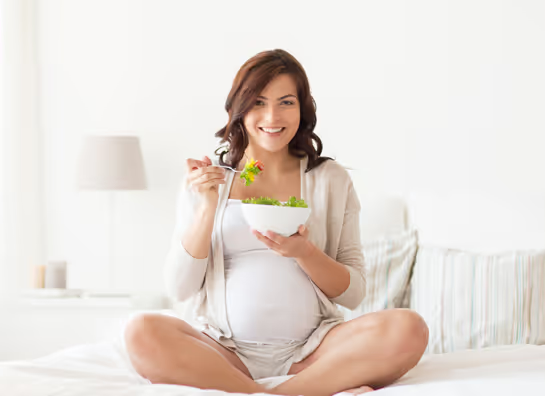
About your weight gain
Gaining weight during pregnancy is completely natural and necessary. Not only does the child's weight increase, but also the fluid in your body. In addition, your body gradually builds up fat reserves. Your weight gain during this time depends on how much you weighed before pregnancy and varies from mother to mother. Most women gain between 10 and 13 kilograms during pregnancy.
Don't eat for two
In the first trimester, it is not necessary to eat more. Energy consumption should remain approximately the same as before pregnancy. Energy requirements may increase during the second and third trimesters. Enrich your diet with small snacks, such as an extra fruit, a sandwich, a glass of milk, or a yogurt. “Eating for two” can lead to excessive weight gain, which increases the risk of chronic diseases. It is also not advisable to gain very little weight during pregnancy.
Eat a varied diet every day
A healthy diet plays an important role both in planning children and during pregnancy. To ensure that you get all the nutrients you need, your diet must include a wide range of foods, such as wheat and bread, fruits and vegetables, dairy products and other sources of protein. Make sure that your daily diet includes these foods and try to eat only small amounts of fatty, sweetened and salty foods.
It is important to eat a varied and balanced diet throughout the day. Consume the nutrients that are important to you. At the same time, however, make sure that you also take the nutrients that your child needs.
Make your meal colorful and attractive
- Any form of cereal such as oats, whole grain pasta and bread or brown rice as well as starchy foods in general. Several portions throughout the day ensure a healthy change and intake of energy, fiber, calcium, iron and vitamin B.
- Plenty of vegetables and fruits; at least 5 portions a day (wash or peel thoroughly). These colorful foods are low in calories and high in fiber, vitamins, and minerals.
- milk and dairy products (such as cheese and yogurt); several portions a day. These foods are good sources of protein and calcium. Avoid raw products and choose low-fat dairy products for a healthy, not too high-calorie diet.
- Moderate amounts of lean meat, eggs, fish and other dairy-free protein sources (legumes/beans), including two portions of fatty fish per week (salmon, sardines, herring, or mackerel); for a healthy intake of protein, DHA, fiber, iron, vitamin D and other vitamins and minerals.
Take advantage of breakfast time
It's common knowledge that breakfast is the most important meal of the day. Pay particular attention to this during your pregnancy. A balanced breakfast provides your body with important nutrients and makes you start the day stronger.
Here are a few ideas for a balanced breakfast:
- Porridge
- Muesli or breakfast cereals with milk or yoghurt and fruit
- Scrambled eggs on whole wheat bread (make sure the eggs are well cooked)
- Salmon or mackerel with avocado slices on whole grain toast
- fruits and yoghurt
- Fruit/vegetable smoothie
Avoid eating unhealthy foods
Limit the amount of added sugar and salt. Eat oily and sweetened foods only in small quantities. Cakes, cookies, chips, and other fatty or sugary foods have very low nutritional value. Do not drink alcohol during pregnancy, as even small amounts could harm your baby.
Drink enough
Adequate hydration is essential for your own health and your baby's development. The liquid ensures that the body systems function properly. In addition, nutrients can be absorbed more easily and waste materials can be better eliminated from the body. During pregnancy, you need more fluids than normal to meet increased needs and avoid dehydration.
Amount and type of fluids during pregnancy
Make sure you drink enough water as this can reduce the problem of hard bowel movements. It is generally recommended to drink 1.5 to 2.0 liters of water or other drinks per day (8 to 10 glasses of 200 ml). That means pregnant women should increase their fluid intake by around 300 ml per day.
You may need a little more or less liquid. Your fluid balance is green when your urine is pale yellow or colourless; in warm climates, high altitudes, or during increased activity, you need more liquid than usual.
Pure water is the ideal drink to keep your fluid balance in balance; preferably from the tap (if the water quality in your area is good) or bottled (still or carbonated). Other suitable drinks include milk and fruit juices. Both contain water and help you absorb sufficient fluids. Soup is also a liquid and can also provide useful nutrients.
Remember that juices and sweet drinks provide unnecessary additional calories and should therefore be avoided in large quantities. Juices can contain a lot of sugar; if it is pure fruit juice, it can be added to your daily ration of fruit. Limit your caffeine intake, minimize your consumption of coffee or other caffeinated beverages such as tea and lemonade.
Vegetarian diet during pregnancy
A vegetarian diet can be a healthy choice when you're pregnant. However, you must ensure that your diet is balanced and includes all the nutrients that you and your baby need. You must ensure that you consume adequate amounts of key nutrients, such as protein, long-chain omega-3 fatty acids (DHA), iron, zinc, calcium, vitamin D, vitamin B12, and folic acid. Dieticians can give you good advice on this and create a personal diet plan for you.
Always check with your doctor or midwife before taking supplements during pregnancy.